.JZRyS1KP_1Qvtw5.webp)
Recently, I caught up with Pratik Naik, a high-end retoucher, educator, and one of the world’s foremost authorities on the subject, to ask a few burning questions on the minds of photographers and end-users alike.
For those who aren’t familiar with you, can you give us a brief biography?
I am an editorial and commercial retoucher in the photography industry. I spend my days and nights in Photoshop polishing up pixels on a screen! I’ve been using Photoshop since 1999 and have been a full time retoucher for the last 7 years. I try not to think of it, because time is going way too fast! I am also an educator in the field when time allows for it, for companies and photographers alike.
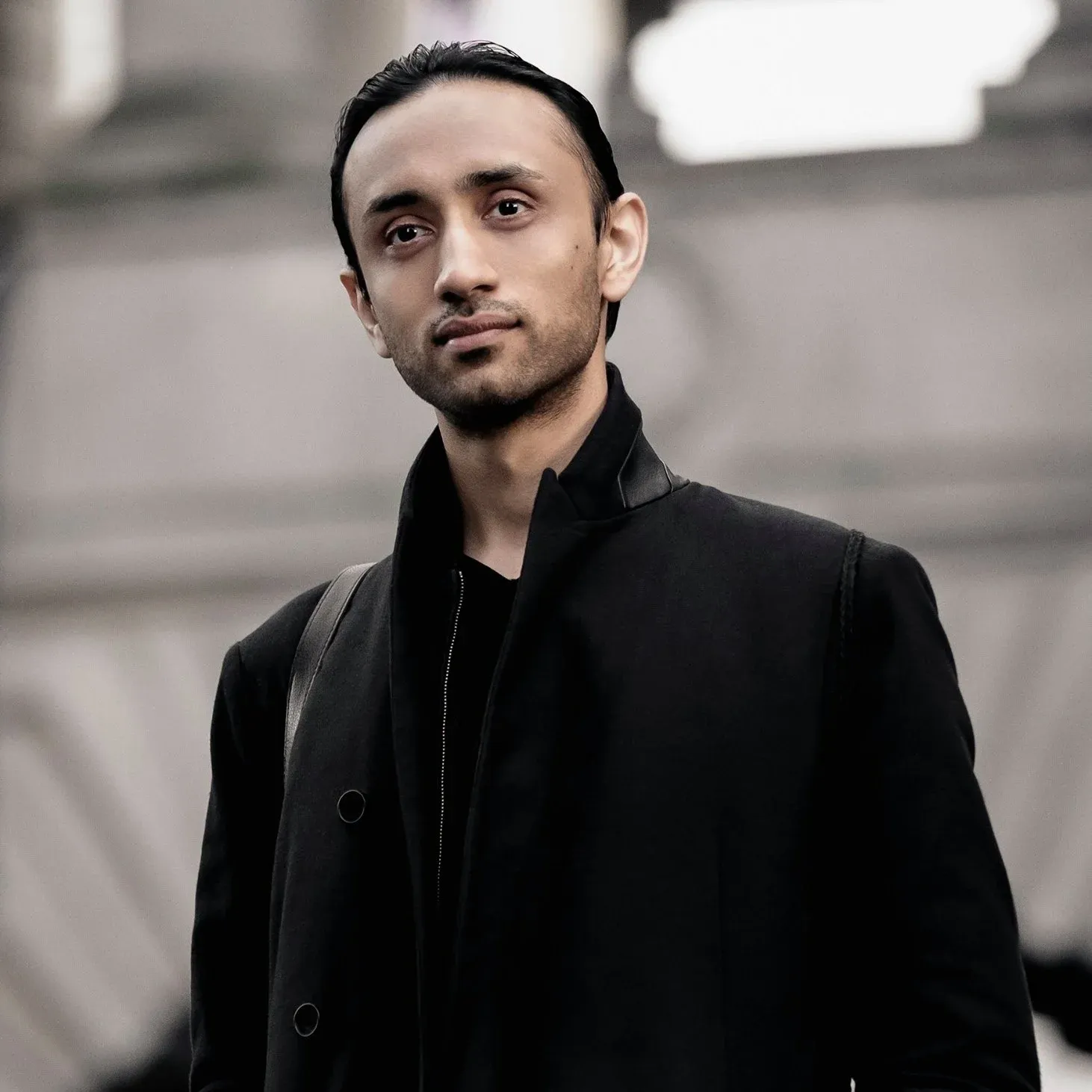
How did you begin your retouching career?
I was actually a photographer and loved shooting beauty images. But, I had this unexplainable fascination for pushing pixels around the screen. Seeing a realistic and perfected version of an image drove me to do more and more. Eventually, people started asking to hire me to retouch more frequently, to the point that it took over my life and I had to quit my day job! I loved the ability to work on different images on every job I did. So, that motivated me to continue retouching and here we are!

One of the most frequently asked questions from clients is: “Why do I need a retoucher? Isn’t there a filter for that?” Can you provide some insight on the value a professional retoucher provides?
If there was a filter for that, I am still trying to find it! No seriously, I am happy to expand upon that. Retouching is almost likened to carving, where we start out with an image and then simply wield our paint brushes (in this case, digital stylus’) onto our canvas (Photoshop file) and hand-craft each image into fruition. Often, the endpoint is a mixture of vision and technique. We figure out what needs to be removed, and do it in a realistic way where hopefully no one can tell. This is the ultimate sign of a good retoucher for commercial work.
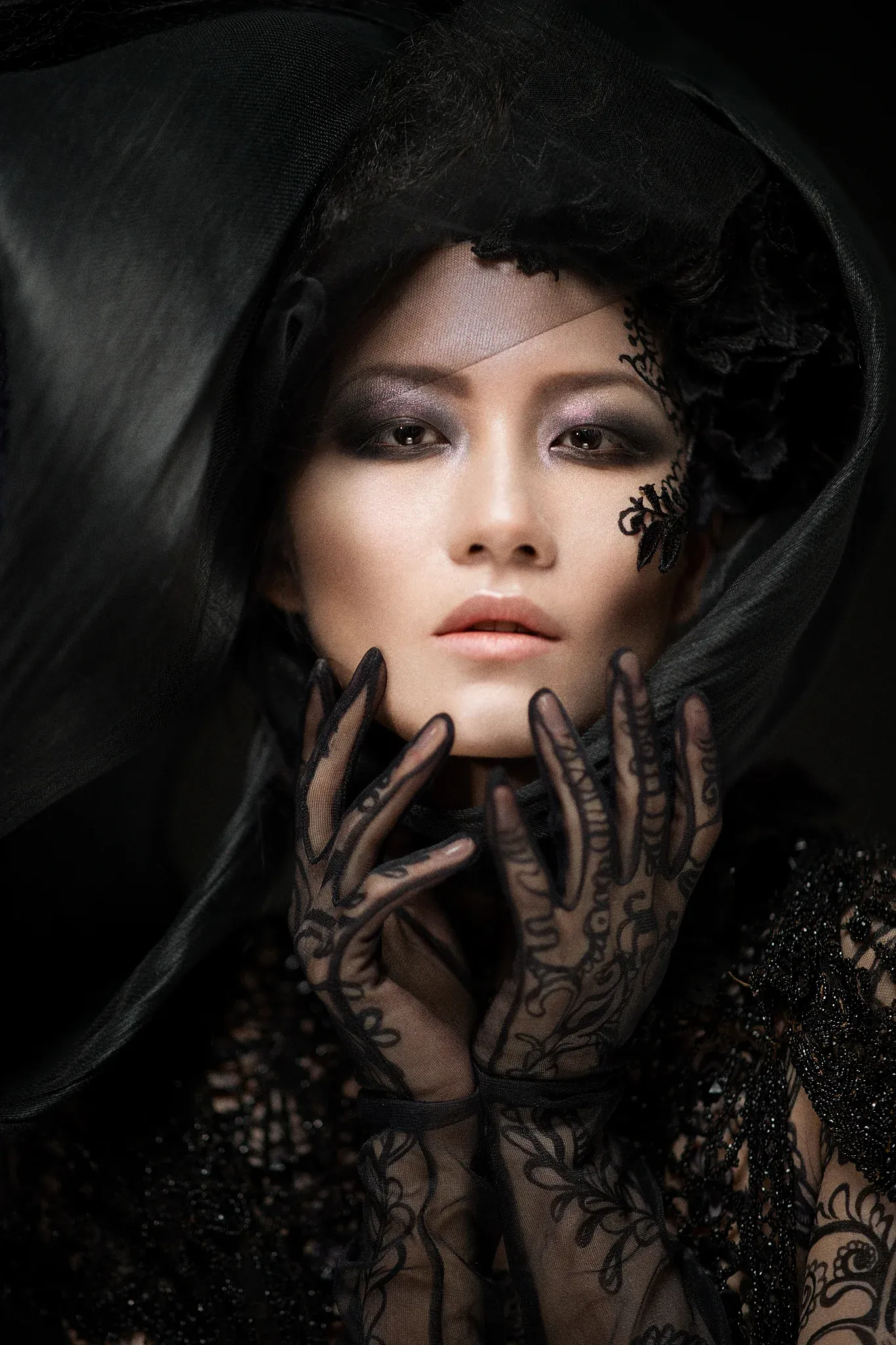
What are the most important aspects of retouching for beginners? If you could suggest only one (or two) things for a beginner to focus on, what would they be?
The most important element is vision, studying and knowing what looks right and wrong. It’s easy to go from looking natural to slipping into sh*tsville. Keep studying others who you admire, and focus on what details they’ve kept rather than what they’ve removed. Subtleties are the element of beauty that we all seem to want to get rid of.
Also, remember that anytime you modify lighting in post, what would it look like if you tried to do it in real life? Does the adjustment match? The first giveaway is whenever someone adjusts lighting in post but it wouldn’t have happened in real life even if they tried. This includes over contoured areas or over-brightened eyes. If it’s meant to be realistic, keep the adjustments realistic. If it’s meant to be stylized, then the discussion is different.
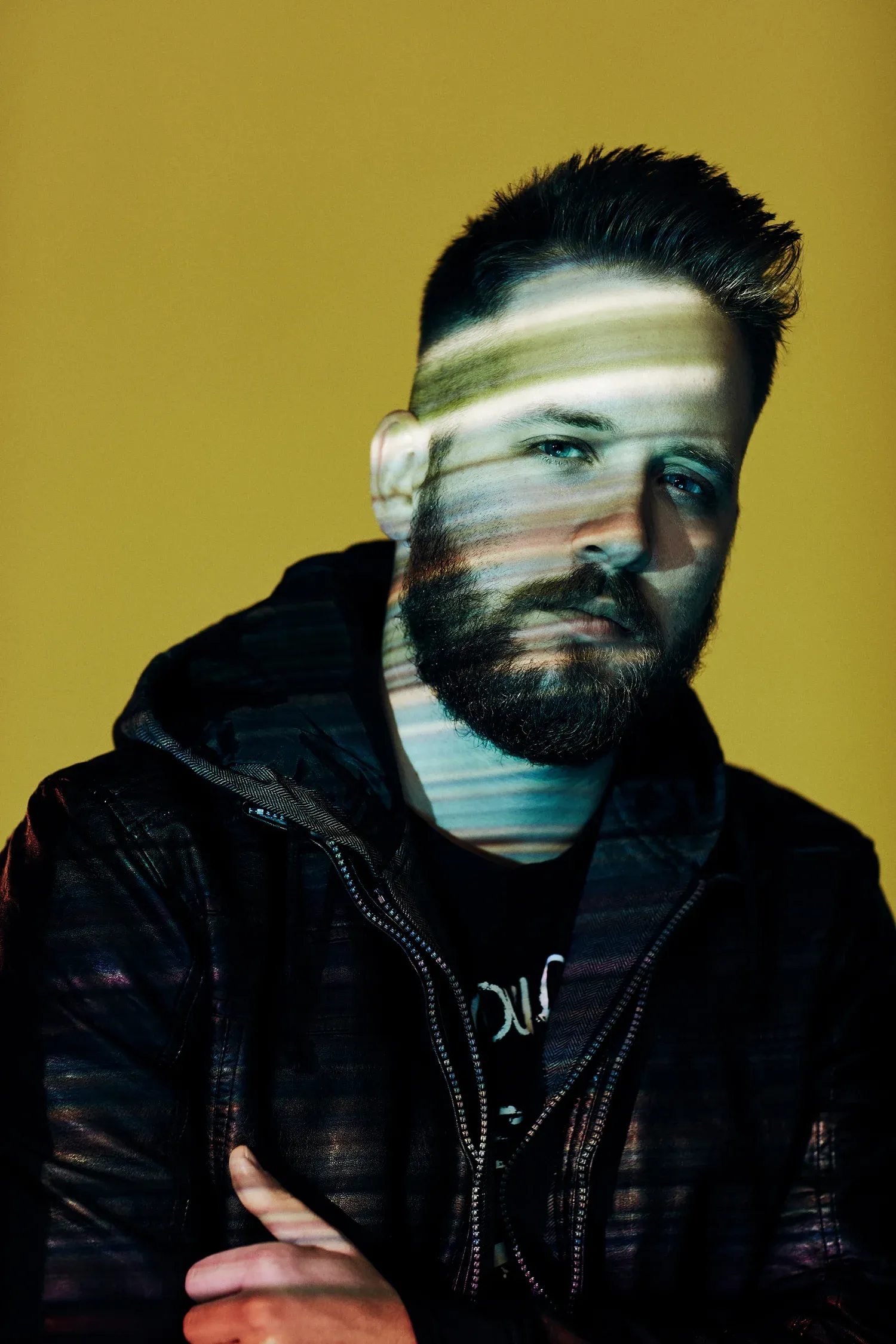
How strict / regimented is your process? How much influence do you want a photographer to have on that?
I am as changeable as a chameleon, because my clients all have unique styles. I also analyze my clients’ work before attempting to retouch it. It’s important to understand what they’re about before attempting to match what they want. It’s the closest thing to mind-reading there is in an industry that seems to require it.
I really do like it when they give direction on what they like and don’t, because communication is so vital.
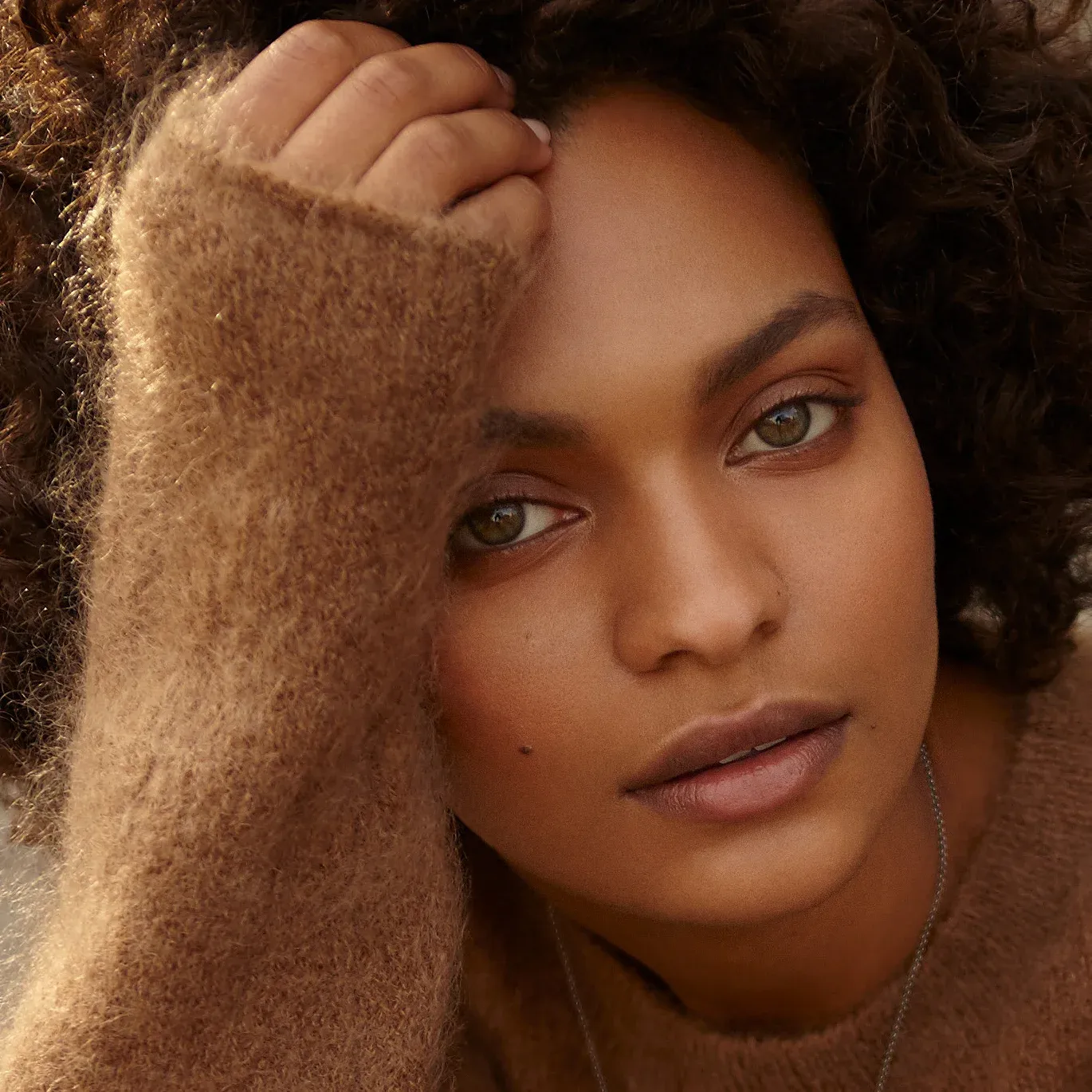
How do you know when you’re done working on an image?
I suppose that has to come from within (cue zen moment). You have to know what you want to remove, even before starting to retouch. Accordingly, once you have accomplished your task, leave it alone. Because let’s face it, you have more to retouch and people will always forgive you for being natural over going too far!
It also will come with time, and you’ll fall into your own style the more you progress. Someone once said, if you’re trying to find something to remove, you’re done. Do what you’re there to do, and move on.
What do you need to know from the photographer? Is there a preferred way of communicating information?
I usually prefer marked up jpg images that indicate the area that I need to focus on. It makes things much easier. If not, then a written list of what they want done. You have to assume retouchers are like robots in the sense that we can do most things, as long as you feed the information in properly. Giving us free reign is fine too, but the more concrete the vision, the less it will match. If you’re open minded to the end result, you’ll be happier. So decide accordingly!
What file types do you prefer to work on, and why?
Usually raw files, unless the client is constantly changing their mind, then I prefer letting them process it and send me tiff files.
In your opinion, when working on images, are there things that a retoucher should and should not do? ie. boundaries?
Never brighten the eyes too much, remove pores completely, and remove characteristic marks about the person! Unless it’s a beauty or fashion shoot, these things are really critical! The rest is all up to the conversation between you and the client.
What would you typically remove from skin, what’s the criteria for making that decision?
It’s whatever distracts me the most, I identify that by zooming in and out and seeing what stands out and catches my eye. I just want them to look the way I remember them in person, which is usually their definable features without anything that takes away from it.
What is your average turn around time?
It can range from 15 minutes to 2 hours depending on the level of work needed. A 100 megapixel file that has to be pixel perfect will differ from one that is 30 megapixel and should stay very realistic.
Do you prefer to deal with the end-user / client or just with the photographer?
Usually the photographer, because the end-client is often not in tune with the lingo and I prefer the photographer put that information together for me. They’re often nice to deal with.
I heard a rumor that you don’t retouch headshots. Why?
It’s true, this boils down to time. I have the opportunity to retouch many genres of work (from pets to product to architecture and more). I had to define what I wanted to do and what I get a kick out of. That stemmed into mostly beauty and fashion for the most part.
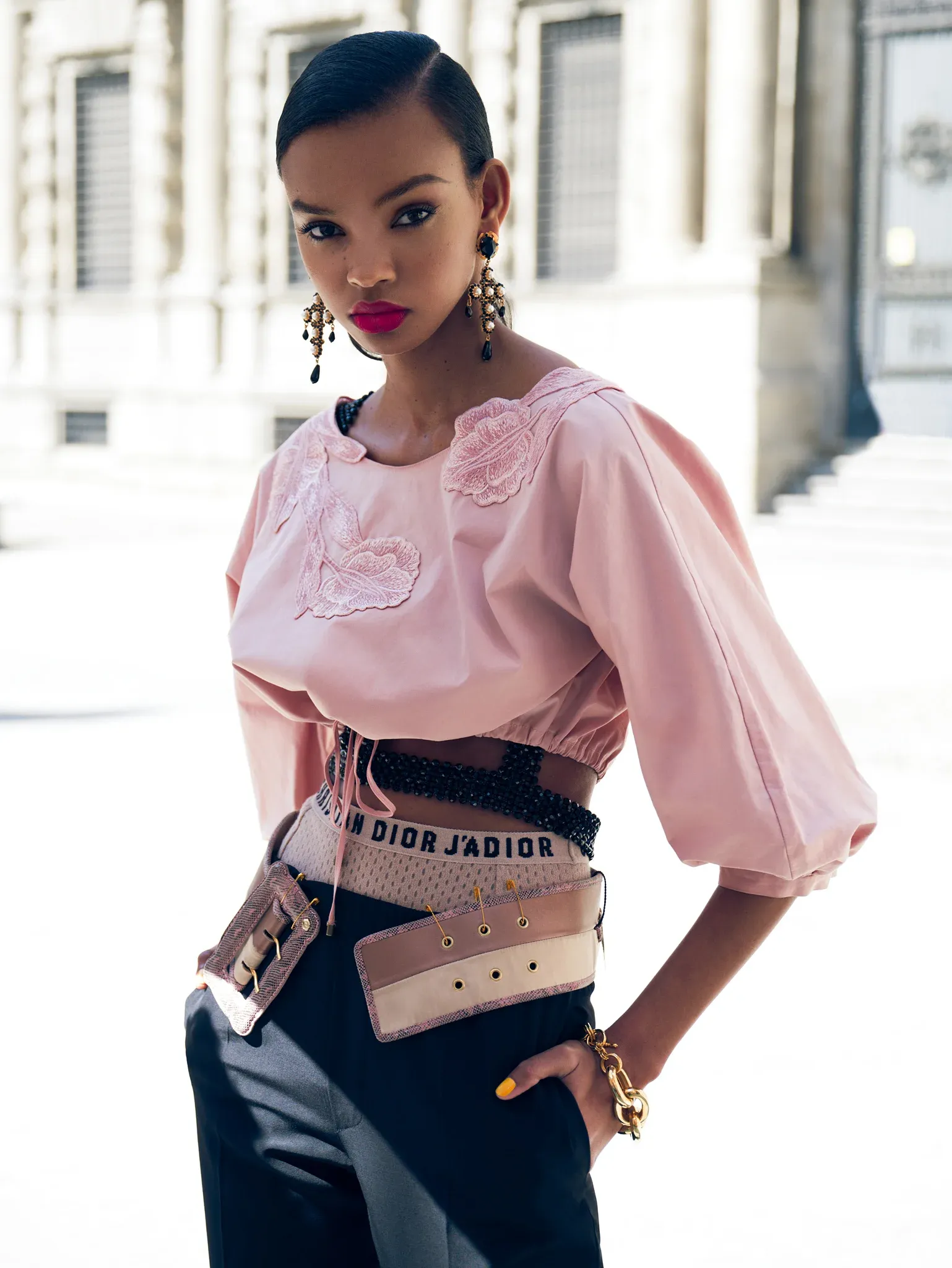
My profound thanks to Pratik for taking the time to answer these questions, and of course for providing such valuable insight!
One final question:
Can you please provide your website and social media information so readers can learn more about you and your work?
You can stalk me at:
- Instagram: www.instagram.com/solsticeretouch
- Facebook: www.facebook.com/solsticeretouch
- Website: www.solsticeretouch.com
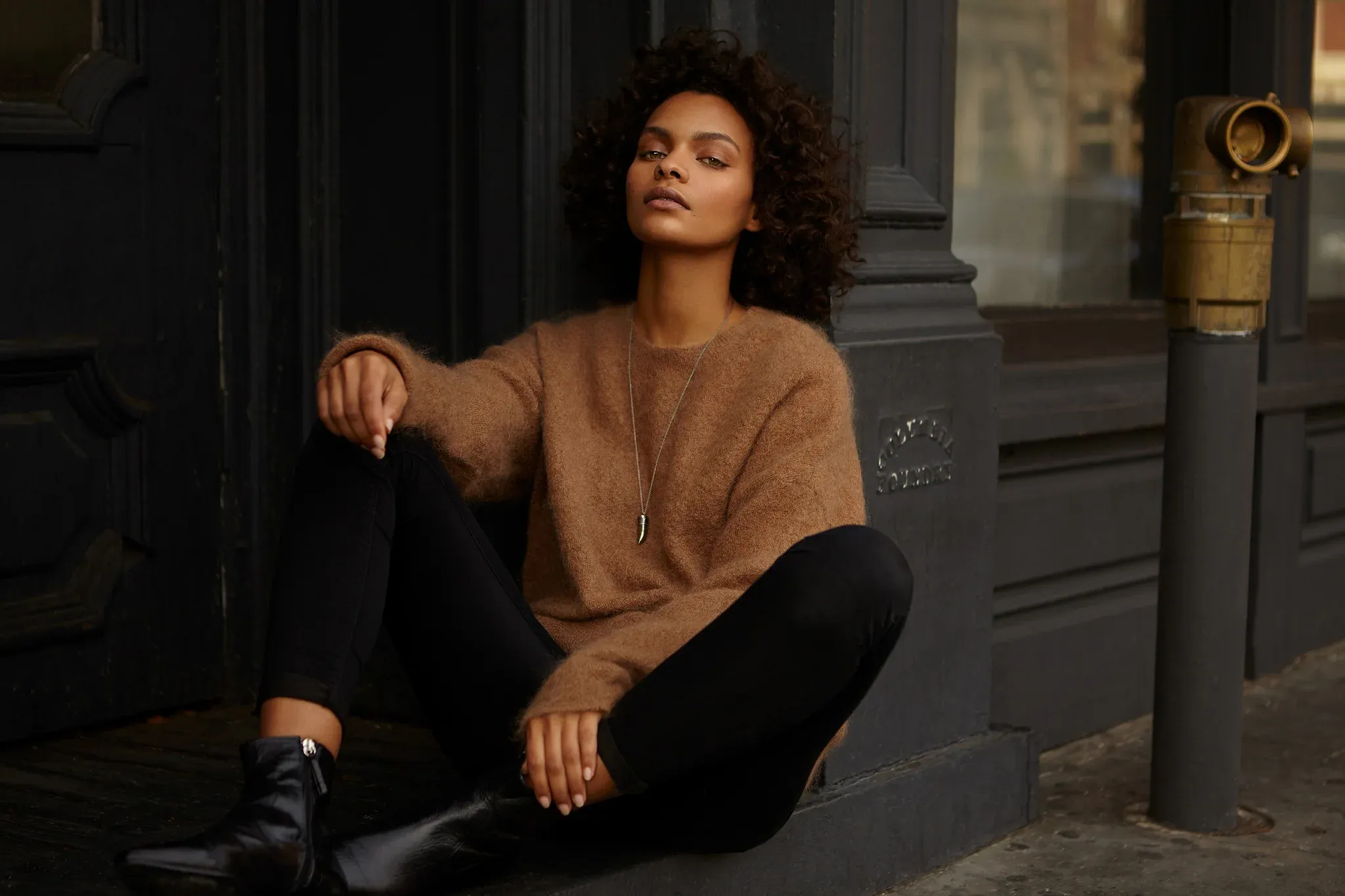
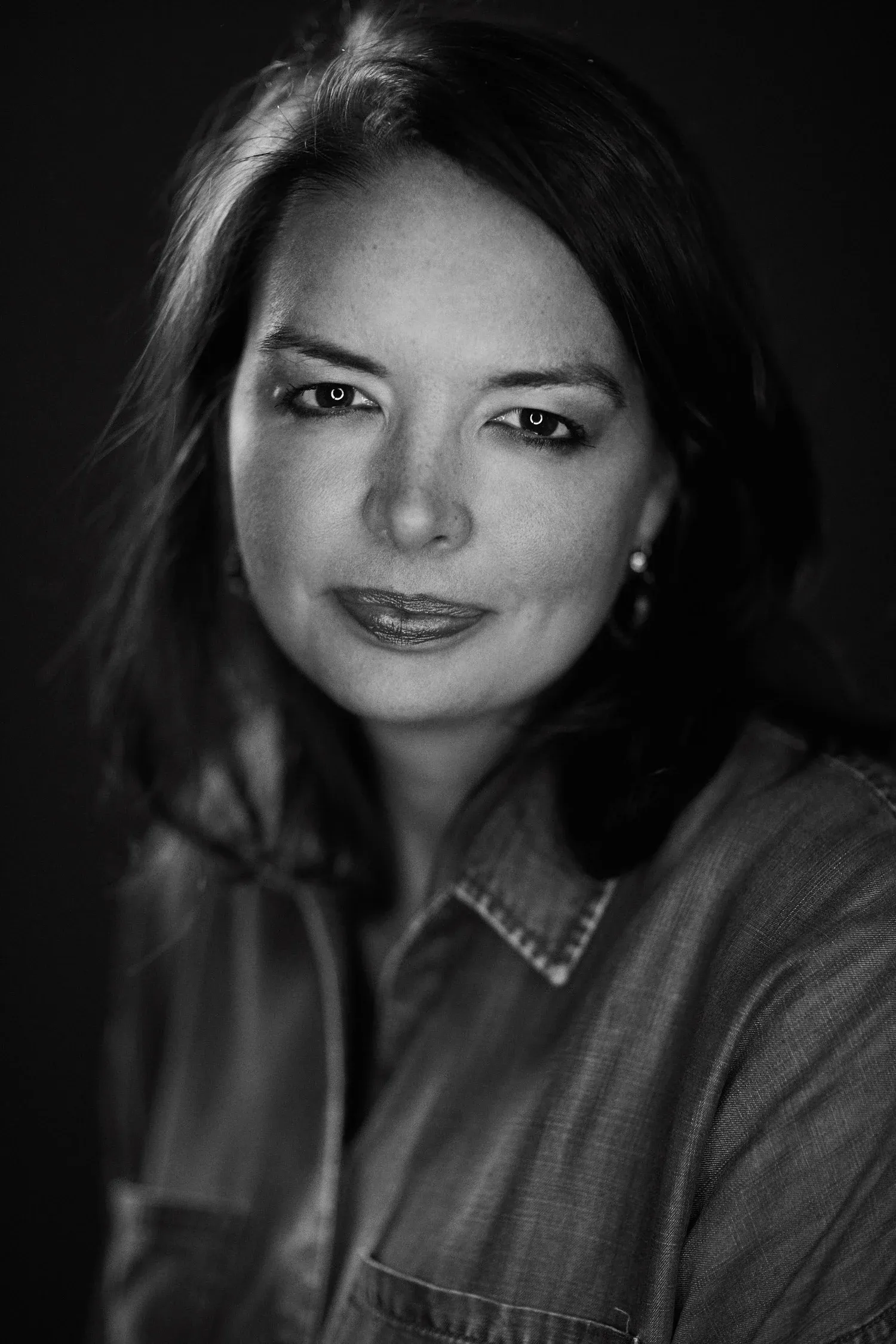
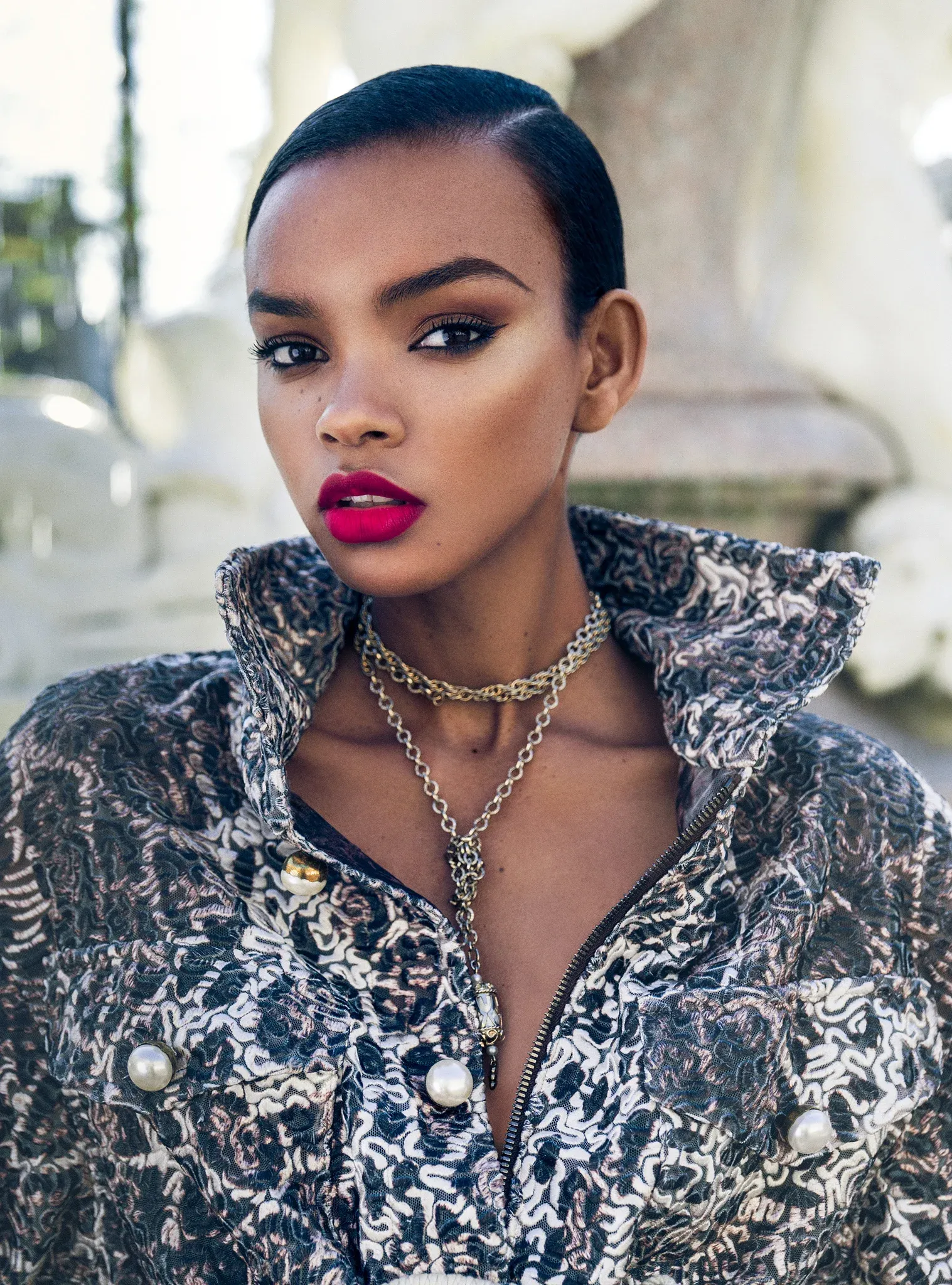
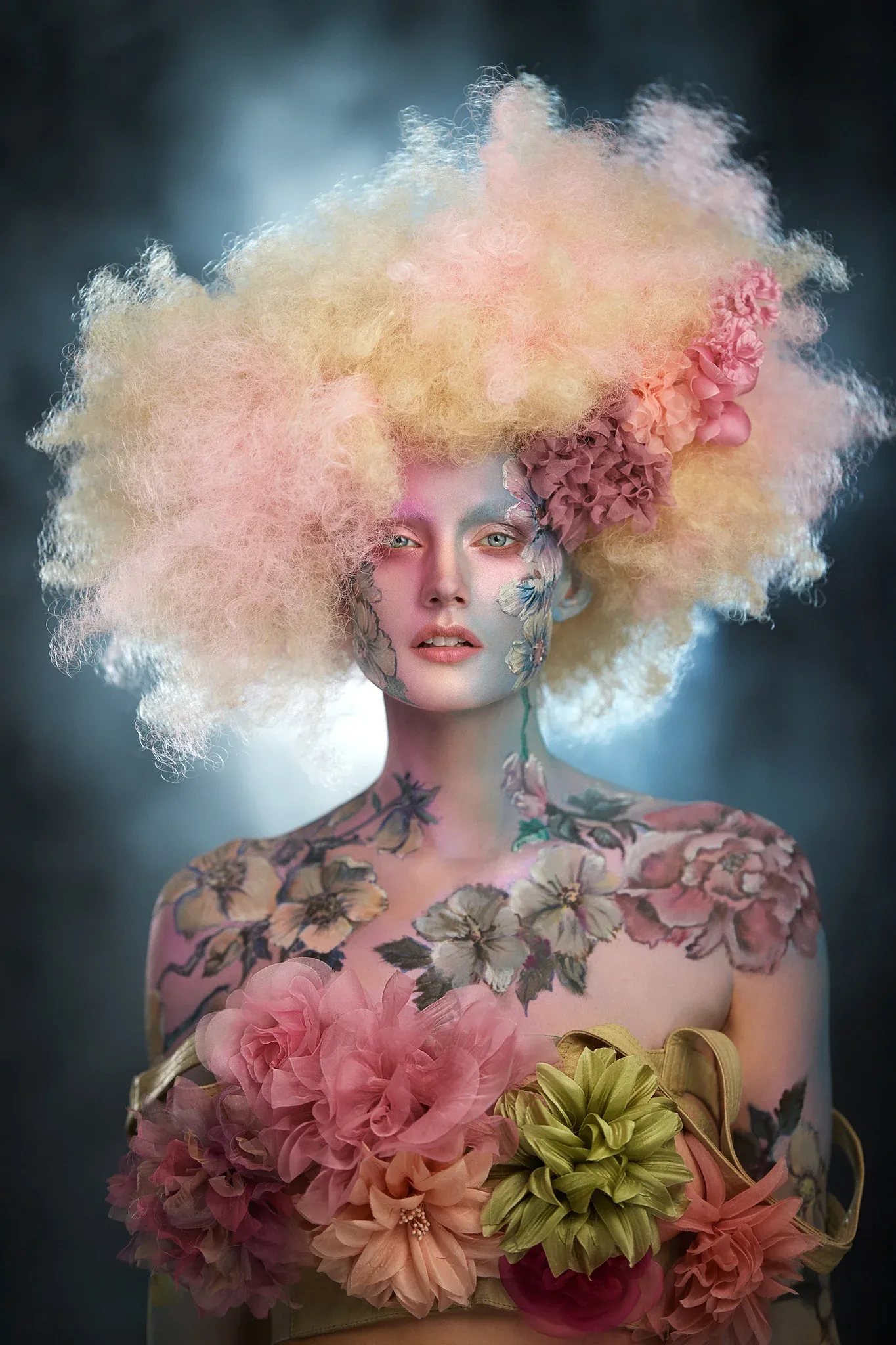
A special thanks to Joe McNally, Jeremy Cowart, Dennison Bertram, Tricia Turner, David Surowiecki, and Lel Burnett for use of their images to showcase Pratik’s incredible retouching work.
If you enjoyed reading this, please post a comment or send me a note. Smoke signals work too!